

How Do Affiliate Programs Work: A Step-by-Step Guide

Many businesses want to launch an affiliate program. It sounds simple at first. Someone clicks an affiliate link, buys the product, and the affiliate gets paid.
But what actually happens in between?
That is the part many people do not fully understand. There is a whole system working behind the scenes to track clicks, record referrals, calculate commissions, and make sure the right affiliate gets rewarded.
In this guide, we will break down the process step by step so you can clearly see how affiliate programs work from the first click to the final payout.
Overview: How Do Affiliate Programs Work
At a high level, affiliate programs follow a simple process that connects businesses, affiliates, and customers through a tracking system.
Here is how the workflow typically looks:
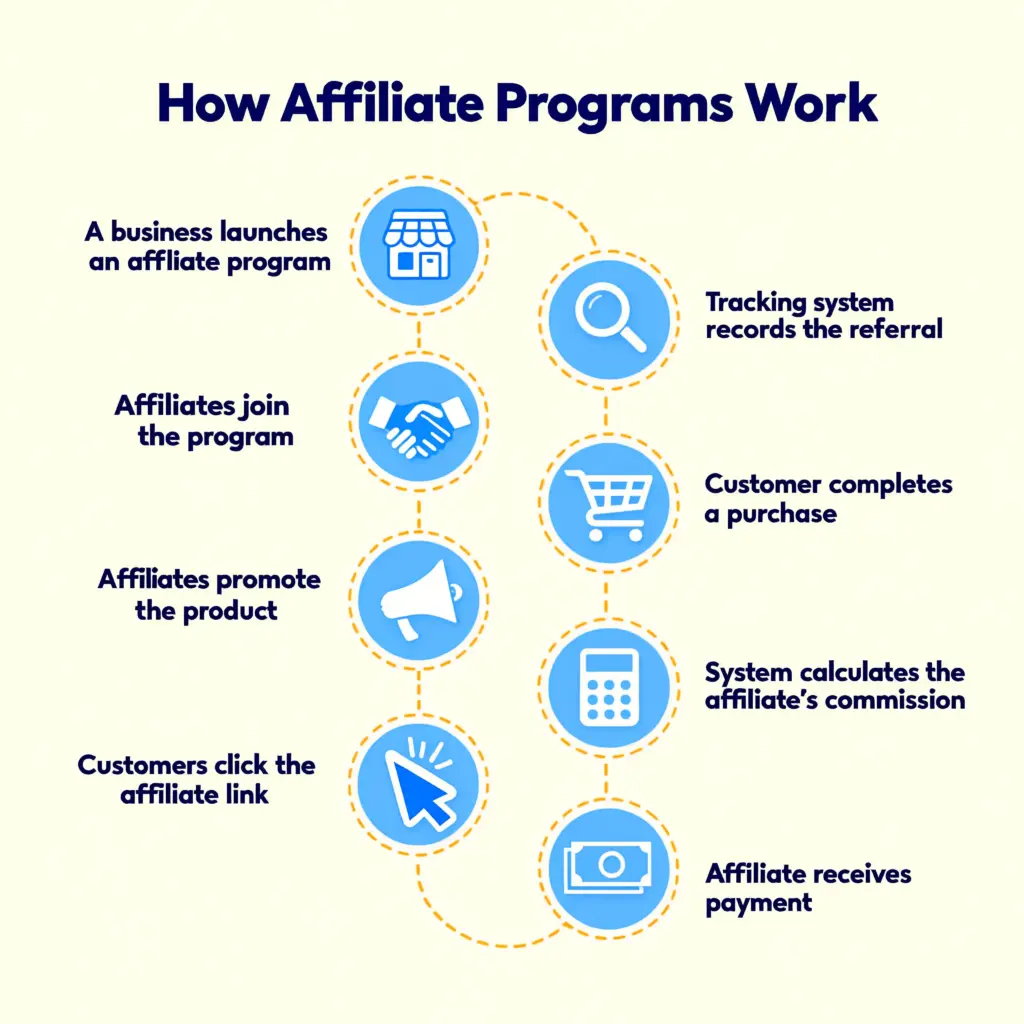
- A business launches an affiliate program and sets commission rules.
- Affiliates join the program and receive unique tracking links.
- Affiliates promote the product through blogs, videos, social media, or email.
- Customers click the affiliate link to visit the product page.
- The tracking system records the referral using cookies or tracking IDs.
- The customer completes a purchase.
- The system calculates the affiliate’s commission.
- The affiliate receives payment according to the program’s payout schedule.
In short, affiliate programs create a structured process where promotion, tracking, and rewards all work together to make partnerships fair and scalable.
Step 1: Business Creates an Affiliate Program
Every affiliate program starts with the business setting up the system that will manage partners, track referrals, and handle commissions.
First, the business decides how the program will reward affiliates. This includes setting commission rules such as a percentage per sale, a fixed payout, or even recurring commissions for subscription products.
Next, the company installs a tracking system using affiliate software. This system is responsible for generating affiliate links, recording clicks, and tracking conversions when customers make purchases.
Most affiliate systems also provide an affiliate dashboard where partners can monitor their performance. Inside the dashboard, affiliates can usually see their tracking links, clicks, conversions, and earnings.
Once the structure is ready, the business opens the program for applications so affiliates can join and start promoting the product.
Step 2: Affiliates Join the Program
Once the affiliate program is live, the next step is bringing partners into the system.
People who want to promote the product usually sign up through an affiliate registration form. These applicants can include bloggers, content creators, influencers, niche website owners, or online publishers who already have an audience.
Many businesses review applications before approving affiliates. This approval process helps ensure that partners align with the brand and will promote the product in a responsible way.
After approval, affiliates gain access to their affiliate dashboard and receive unique tracking links. These links contain a special ID that connects any clicks or purchases back to the specific affiliate.
From this point on, affiliates can start sharing their links and promoting the product to their audience.
Step 3: Affiliates Promote the Product
After joining the program and receiving their tracking links, affiliates start promoting the product to their audience.
Affiliates usually promote products through content they already create. This allows them to recommend products naturally while providing value to their followers or readers.
Common promotion methods include:
- Blog reviews explaining the features and benefits of a product
- Tutorials showing how the product works
- YouTube videos demonstrating or reviewing the tool
- Social media posts on platforms like Instagram, TikTok, or X
- Email newsletters recommending helpful tools to subscribers
- Comparison articles that evaluate multiple products
At the center of these promotions are affiliate links. These are special URLs that contain a unique tracking ID assigned to each affiliate.
When someone clicks one of these links, the system records the referral. If the visitor later purchases the product, the affiliate link ensures the correct partner receives credit for the sale.
Step 4: A Customer Clicks the Affiliate Link
The affiliate process really starts when a customer clicks an affiliate link.
Each affiliate link contains a unique tracking ID assigned to a specific affiliate. When someone clicks that link, the tracking system immediately records the visit and identifies which affiliate sent the traffic.
At the same time, a small piece of data called a cookie is stored in the visitor’s browser. This cookie remembers the affiliate ID so the system can track the referral even if the customer does not buy right away.
This is where cookie duration becomes important.
Cookie duration refers to the amount of time the referral remains valid after someone clicks the affiliate link. For example:
- A 24-hour cookie means the affiliate gets credit only if the purchase happens within one day.
- A 30-day cookie means the affiliate still gets credit if the customer buys within 30 days of the click.
- Some programs even offer 60 or 90-day cookies.
Thanks to this tracking system, the business can accurately identify which affiliate referred the customer and reward them if a purchase happens later.
Step 5: Tracking System Records the Referral
After the customer clicks the affiliate link, the tracking system records the referral.
The affiliate software logs the click and stores important information such as the affiliate ID, the time of the click, and the visitor session. This data ensures the system knows exactly where the traffic came from.
Next, the attribution model determines which affiliate should receive credit for the referral. In most programs, this follows a last click attribution model, meaning the affiliate whose link was clicked most recently gets credit for the sale.
Once recorded, the referral becomes tied to that specific affiliate. If the customer later completes a purchase within the cookie duration, the system automatically connects the sale to the correct partner.
This process also creates transparency for both businesses and affiliates. Affiliates can view their clicks, conversions, and commissions in their dashboard, while businesses can track which partners generate the most sales. This clear data helps build trust and keeps the affiliate program fair for everyone involved.
Step 6: Customer Makes a Purchase
If the customer decides to buy the product, they move forward with the normal checkout process on the business’s website.
During checkout, the affiliate tracking system checks whether the visitor arrived through an affiliate link. Since the click and cookie were already recorded earlier, the system can detect the affiliate referral automatically.
Once the purchase is completed, the sale is linked to the correct affiliate. The transaction is then recorded inside the affiliate dashboard, where both the business and the affiliate can see the conversion.
From this point, the system prepares the next step in the process, which is calculating the affiliate’s commission based on the program’s payout rules.
Step 7: Commission Is Calculated
Once the purchase is completed, the affiliate system automatically calculates the commission based on the rules set by the business.
Different affiliate programs use different commission models. Some reward affiliates with a percentage of the sale, while others offer a fixed payout or recurring earnings for subscription products.
Common commission types include:
- Percentage commission – affiliates earn a percentage of the product price
- Flat fee commission – affiliates receive a fixed amount for each sale or lead
- Recurring commission – affiliates earn ongoing payments for subscription-based products
For example, imagine a product that costs $100. If the affiliate program offers a 20 percent commission, the affiliate earns $20 from that sale.
The calculated commission is then recorded in the affiliate dashboard, where affiliates can track their earnings and upcoming payouts.
Step 8: Affiliate Gets Paid
After commissions are calculated, the final step is paying the affiliate.
Most affiliate programs use a payout threshold, which means affiliates must earn a minimum amount before they can receive payment. For example, a program may require affiliates to reach $50 or $100 in commissions before payouts are processed.
Payments are usually sent on a monthly schedule. This gives businesses time to confirm orders, handle refunds if necessary, and finalize commission amounts.
Affiliate programs typically support several payment methods, such as:
- PayPal
- Bank transfer
- Stripe or other payment processors
Once the payout date arrives and the affiliate meets the threshold, the system processes the payment, and the affiliate receives their earnings. This completes the affiliate cycle from referral to reward.
Example: How an Affiliate Sale Happens
Let’s look at a simple example to understand the full journey of an affiliate sale.
Imagine a blogger writes an article titled “Best Email Marketing Tools for Small Businesses.” In the article, they review different tools and recommend one they personally use. Inside the blog post, they include an affiliate link to that tool.
Here is what happens next.
A reader finds the article through Google and reads the review. While exploring the recommendations, the reader clicks the affiliate link for the email marketing tool.
Once the link is clicked, the tracking system records the referral and stores the affiliate cookie in the visitor’s browser. The reader then visits the product website and decides to sign up for the tool.
When the purchase or subscription is completed, the affiliate software detects that the customer came through the blogger’s referral. The sale is then recorded in the affiliate dashboard, and the commission is automatically assigned to the blogger.
In short, the journey looks like this:
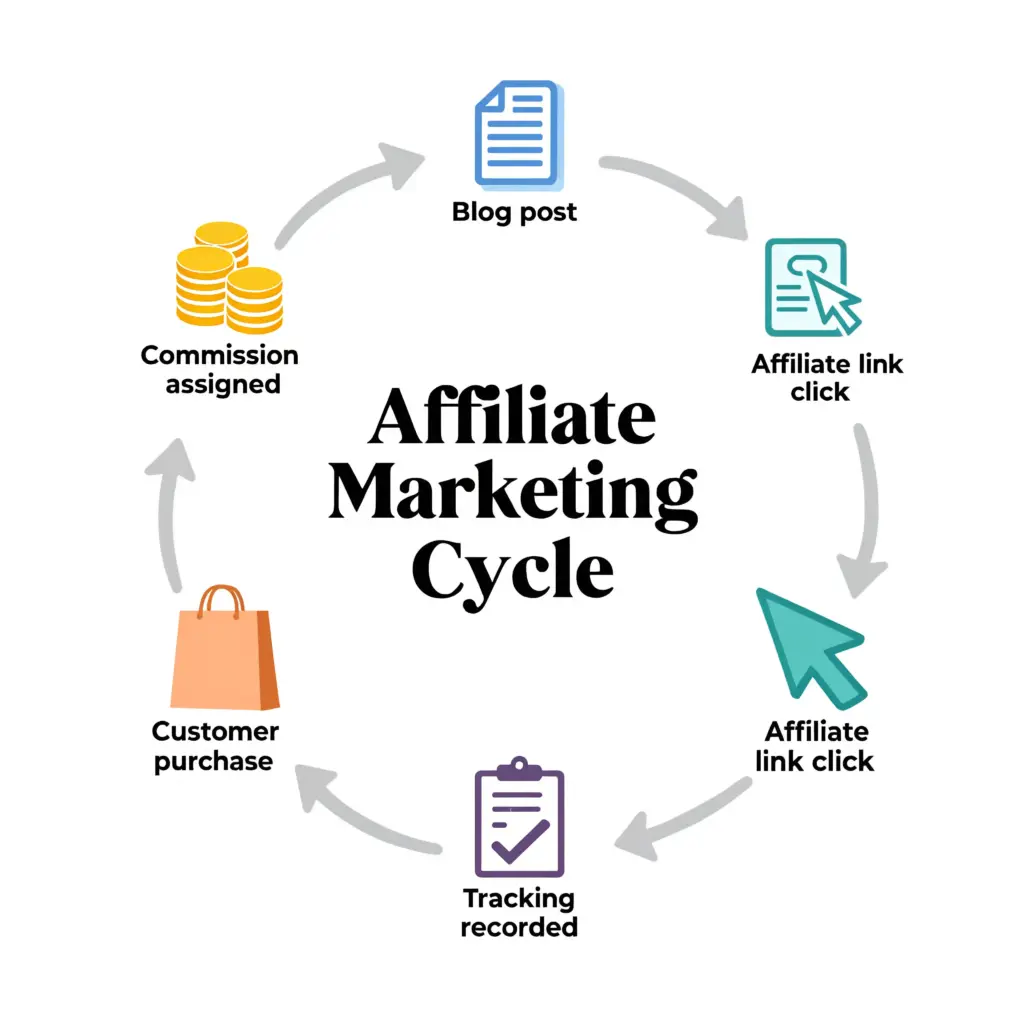
Blog post → Affiliate link click → Tracking recorded → Customer purchase → Commission assigned
This simple process is what powers thousands of affiliate sales across blogs, YouTube channels, and creator platforms every day.
Tools That Power Affiliate Programs
Behind every successful affiliate program, there are tools that handle tracking, reporting, and payments automatically. Without these tools, managing affiliates manually would quickly become overwhelming.
Here are the main types of tools that power modern affiliate programs.
Affiliate Tracking Software
Affiliate tracking software is the core technology that records clicks, referrals, and conversions.
It generates unique affiliate links, tracks visitor activity, and connects sales to the correct affiliate. This system ensures that every referral is recorded accurately and that commissions are assigned to the right partner.
For businesses running WordPress sites, tools like FluentAffiliate make this process much easier by providing built-in tracking and management features directly inside the WordPress dashboard.
Affiliate Dashboards
Affiliate dashboards give both businesses and affiliates a clear view of performance.
Affiliates can log in to see important data such as:
- total clicks
- conversions
- commissions earned
- payment history
At the same time, businesses can monitor affiliate performance, identify top partners, and manage the entire program from one place.
Automation Systems
Modern affiliate tools also include automation features that reduce manual work.
Automation can handle tasks like:
- generating affiliate links
- calculating commissions
- tracking conversions
- processing payouts
For example, solutions like FluentAffiliate allow WordPress businesses to automate these processes so affiliate programs can run smoothly without constant manual management.
With the right tools in place, businesses can manage dozens or even hundreds of affiliates while keeping the entire system organized and transparent.
Conclusion
Affiliate programs may seem complex at first, but the process behind them is actually quite straightforward. At their core, they follow a simple cycle: promotion → tracking → commission → payment.
Affiliates promote a product using their unique links. The tracking system records clicks and referrals. When a customer makes a purchase, the system calculates the commission and assigns it to the correct affiliate. Finally, the business pays the affiliate according to the program’s payout schedule.
This simple but powerful system allows businesses to grow through partnerships while rewarding people who help promote their products.
If your business already has customers, creators, or bloggers recommending your product, an affiliate program can turn those recommendations into a scalable growth channel worth exploring.





Add your first comment to this post